
Ultimate Collection Of Foundation Repair Products For Long-Term Stability
Browse essential tools and materials that ensure lasting foundation repairs and peace of mind for homeowners.
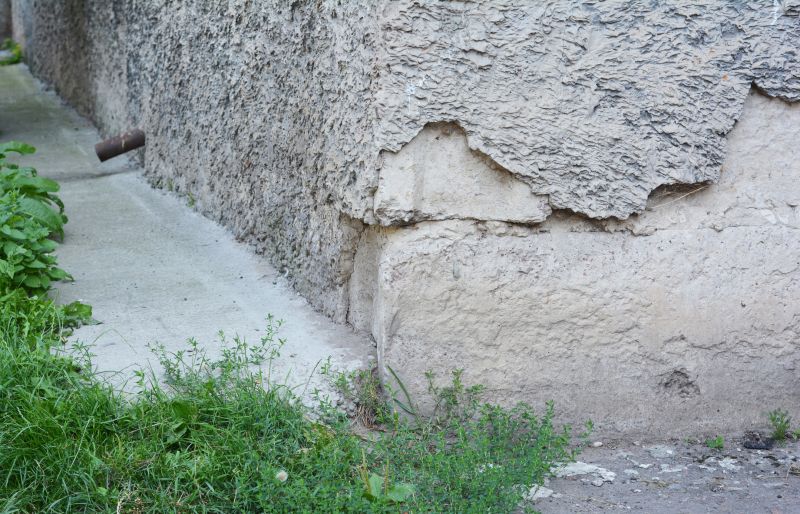 Foundation repairs are a critical aspect of maintaining the structural integrity of a building, especially in areas like Kennesaw, GA, where soil conditions and weather patterns can influence foundation stability. Various products are available to address foundation issues, ranging from structural supports to stabilization systems. Selecting the right products depends on the specific nature of the foundation problem, the extent of damage, and the type of foundation involved. Proper assessment by a qualified professional is often recommended before choosing repair solutions.
Top Overall Option
Polyurethane Foam Lift System
Polyurethane foam lift systems are versatile and minimally invasive solutions that can be used to lift and stabilize sunken or uneven foundations. These systems work by injecting high-density foam beneath the foundation to raise and level it, providing immediate support with minimal disruption to the property. They are suitable for addressing specific settlement issues and can be a cost-effective option for small to moderate repairs. The quick installation process and ability to precisely control the lift make this product a popular choice among professionals and homeowners alike.
Types of Products For Foundation Repairs
Pier and Beam Supports
Supports designed to reinforce or replace existing piers, providing additional stability to raised foundations.
Push Piers
Heavy-duty steel piers driven into stable soil layers to lift and stabilize sinking foundations.
Helical Piers
Steel piers with helical plates that are screwed into the ground, suitable for difficult soil conditions.
Slab Jacking Materials
Materials used to lift sunken concrete slabs, including polyurethane foam and mudjacking mixes.
Epoxy Crack Fillers
Resins used to seal cracks in concrete and prevent water infiltration that can cause further damage.
Carbon Fiber Reinforcement
Composite strips applied to concrete surfaces to strengthen and prevent cracking.
Soil Stabilizers
Chemical solutions that improve soil bearing capacity and reduce settlement.
Drainage Systems
Products designed to redirect water away from foundations to reduce soil erosion and moisture issues.
Underpinning Systems
Supports placed beneath the foundation to improve stability and load-bearing capacity.
Grout and Mortar Mixes
Specialized mixes used to fill voids and reinforce foundation structures.
Foundation Bolts and Anchors
Hardware used to secure framing to the foundation and prevent movement.
Vapor Barriers
Membranes installed to control moisture and prevent foundation movement caused by water.
Drain Tile Systems
Drainage pipes installed around the foundation to facilitate water removal.
Concrete Patching Products
Materials used to repair surface cracks and spalling in concrete foundations.
Soil Moisture Control Devices
Devices that regulate soil moisture levels to prevent excessive expansion or contraction.
Vibration and Stabilization Devices
Tools and products that reduce soil movement and stabilize the foundation.
Popular Choices
A flexible, minimally invasive solution for small to moderate foundation adjustments, gaining popularity for its quick application.
Widely used for their strength and ability to lift sinking foundations effectively.
Preferred for challenging soil conditions, offering reliable support and stability.
Commonly used to seal cracks and prevent water intrusion in concrete foundations.
Popular for their role in preventing future settlement and improving soil load capacity.
Effective in managing water flow and reducing foundation moisture issues.
Frequently installed to control moisture and protect foundation surfaces.
Essential hardware for securing structures and preventing movement.
Commonly used for surface repairs to maintain foundation integrity.
Increasingly chosen for their ability to provide long-term support in various soil conditions.
Gaining favor for their role in reducing soil movement and maintaining foundation stability.
For homeowners and property managers, understanding the different repair products can help in making informed decisions. These products are designed to reinforce, lift, or stabilize foundations, and each type serves a specific purpose. For instance, underpinning systems can provide additional support beneath the foundation, while epoxy injections can seal cracks and prevent further deterioration. It is important to consider the compatibility of these products with the existing foundation material and the long-term effectiveness of the repair method.
In Kennesaw, GA, where clay soils and moisture fluctuations are common, choosing the appropriate foundation repair products can help mitigate ongoing issues. Regular inspections and maintenance may also be necessary to ensure the longevity of the repair work. Consulting with local experts can provide insight into the most suitable products for your specific situation, ensuring that repairs are both effective and compliant with local building codes.
Key Buying Considerations
- Assess the specific foundation issue to determine the most suitable product type.
- Consider the soil conditions and how they influence repair options.
- Evaluate the extent of damage to choose an appropriate repair method.
- Ensure compatibility of repair products with existing foundation materials.
- Review the installation process and whether it requires professional expertise.
- Check for local building code compliance and any necessary permits.
- Consider the longevity and durability of the repair products.
- Evaluate the potential for future movement or settlement after repair.
- Assess the ease of access to the repair site for installation and maintenance.
- Review manufacturer warranties and support services.
- Determine the environmental conditions that may affect product performance.
- Compare costs and benefits of different repair options.
- Seek professional consultation for complex or extensive foundation issues.
- Examine the ease of future inspections and monitoring.